Richmond Street Automotive Highlights Worn-Tire Stopping Risks Ahead of Winter
Appleton repair shop discusses tread depth and uneven wear, citing national winter-crash data and AAA research on
Press Release Disclaimer: This is a press release distributed through the XPR Media network. It has not been independently verified by our newsroom.
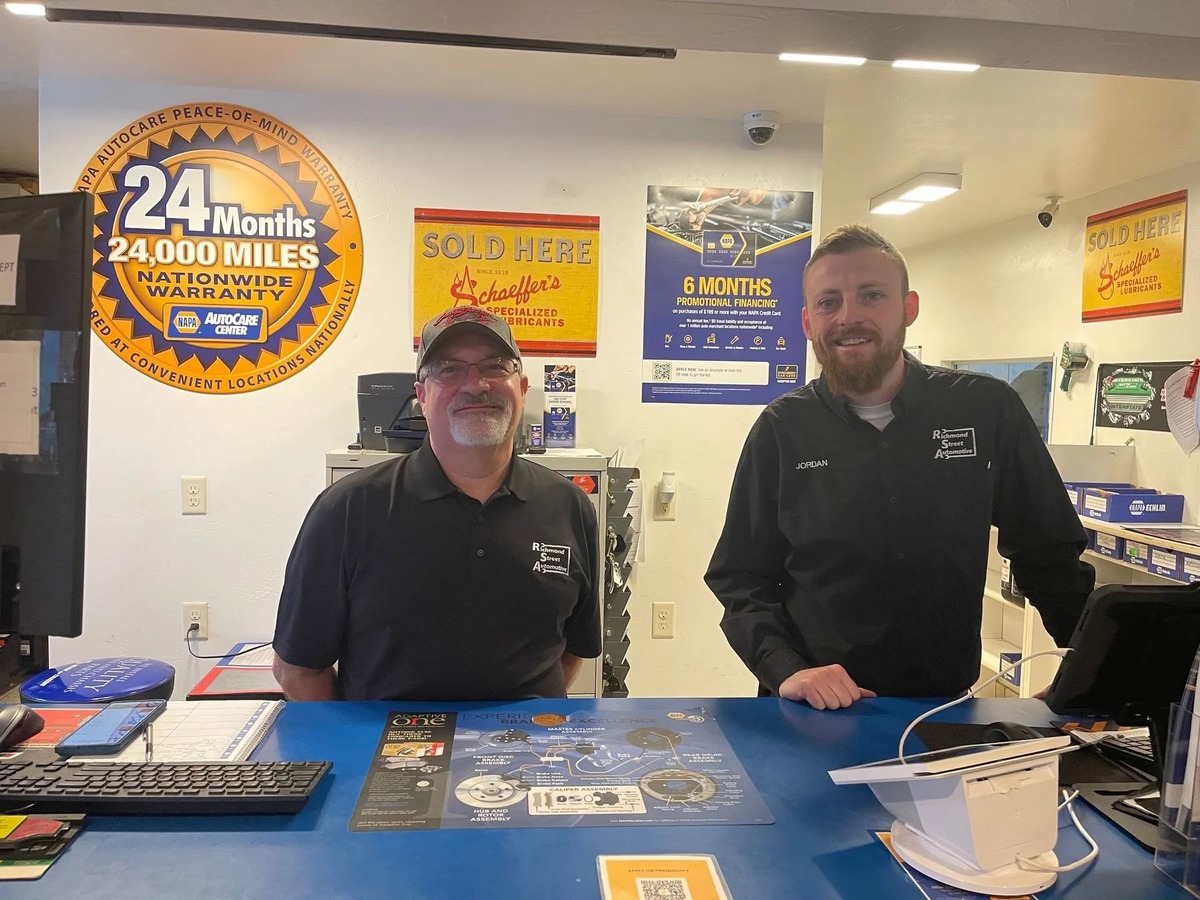

Appleton repair shop discusses tread depth and uneven wear, citing national winter-crash data and AAA research on wet-road stopping distances.
APPLETON, WI, UNITED STATES, November 17, 2026 /EINPresswire.com/ — Richmond Street Automotive is sharing tire-tread and stopping-distance advice ahead of Wisconsin’s winter driving season. The Appleton repair shop is encouraging drivers to evaluate tread depth and uneven wear before deciding whether tire service or replacement is appropriate, rather than relying on appearance or a dashboard pressure warning alone.
The National Highway Traffic Safety Administration estimates that 131,698 police-reported traffic crashes occurred during snow or sleet conditions nationwide in 2024. The figure describes weather conditions at the time of those crashes; it does not identify tires as their cause. NHTSA advises drivers to reduce speed and increase following distance on slick or snow-covered roads, while checking tires for insufficient tread and uneven wear.
“A tire can have the right air pressure and still have tread that needs attention,” said Brent Vanden Heuvel, owner of Richmond Street Automotive. “Looking at tread depth and wear across the tire gives a more useful picture than relying on a pressure warning alone.”
In AAA’s 2018 wet-road braking tests, all-season tires worn to 4/32-inch tread required approximately 43% longer stopping distances, about 87 additional feet, from 60 mph compared with new tires. The study tested selected tires on a passenger car and a light truck. It measured performance on wet pavement, not snow or ice, and does not establish a guaranteed stopping distance for every vehicle.
The shop points to three distinctions that can help drivers understand their tire-service options:
Tread depth is different from tire pressure. A tire can be properly inflated and still have insufficient or uneven tread. Pressure checks remain important, but a pressure-monitoring warning is not a measurement of remaining tread. Drivers should have tread assessed across the tire rather than judge its condition from one visible section.
Alignment service cannot replace missing tread. Pulling to one side, an off-center steering wheel or uneven wear may warrant an alignment assessment. Correcting an alignment problem can help address the cause of abnormal wear, but it cannot restore rubber already worn away. Tire condition and wheel alignment therefore require separate evaluation when determining whether service or replacement makes sense.
A replacement threshold is not a winter-performance guarantee. NHTSA identifies 2/32-inch tread as the point at which tires are unsafe and should be replaced. AAA’s wet-road research found diminished performance at 4/32-inch tread and recommends earlier replacement for wet-weather safety. These measurements should not be treated as a promise of adequate traction on snow or ice. Tire type, vehicle specifications and expected driving conditions also matter.
“An alignment and a tire replacement solve different problems,” Brent said. “The goal is to explain what the inspection shows, whether service or replacement is appropriate, and how that fits the vehicle and the conditions the driver expects to encounter.”
Richmond Street Automotive provides tire-wear inspections, alignment checks, balancing, rotation, pressure and tire-pressure monitoring system assessments, repair and replacement guidance.
No tire choice or maintenance service eliminates the need to adjust driving to road conditions. Reduced speed, additional following distance and postponing nonessential travel when conditions are poor remain important winter-driving precautions.
Information about the company’s existing tire services is available at Richmond Street Automotive’s tire and alignment page.
About Richmond Street Automotive
Richmond Street Automotive is a family-owned automotive repair shop at 1731 N. Richmond St. in Appleton, Wisconsin. A NAPA Auto Care Center with ASE-certified technicians, the company provides maintenance, diagnostics and repair services for drivers in Appleton and surrounding Fox Valley communities.
Brent Vanden Heuvel
Richmond Street Automotive
+1 920-993-7721
rsa@richmondstreetauto.com
Visit us on social media:
Instagram
Facebook
Legal Disclaimer:
EIN Presswire provides this news content “as is” without warranty of any kind. We do not accept any responsibility or liability
for the accuracy, content, images, videos, licenses, completeness, legality, or reliability of the information contained in this
article. If you have any complaints or copyright issues related to this article, kindly contact the author above.

Media gallery