As Self-Publishing Booms, Novel Maestro Helps Writers Become Their Own Editors
For many novelists, November means speed-writing. A UK startup sees a role for AI — not in writing, but in reviving the
Press Release Disclaimer: This is a press release distributed through the XPR Media network. It has not been independently verified by our newsroom.
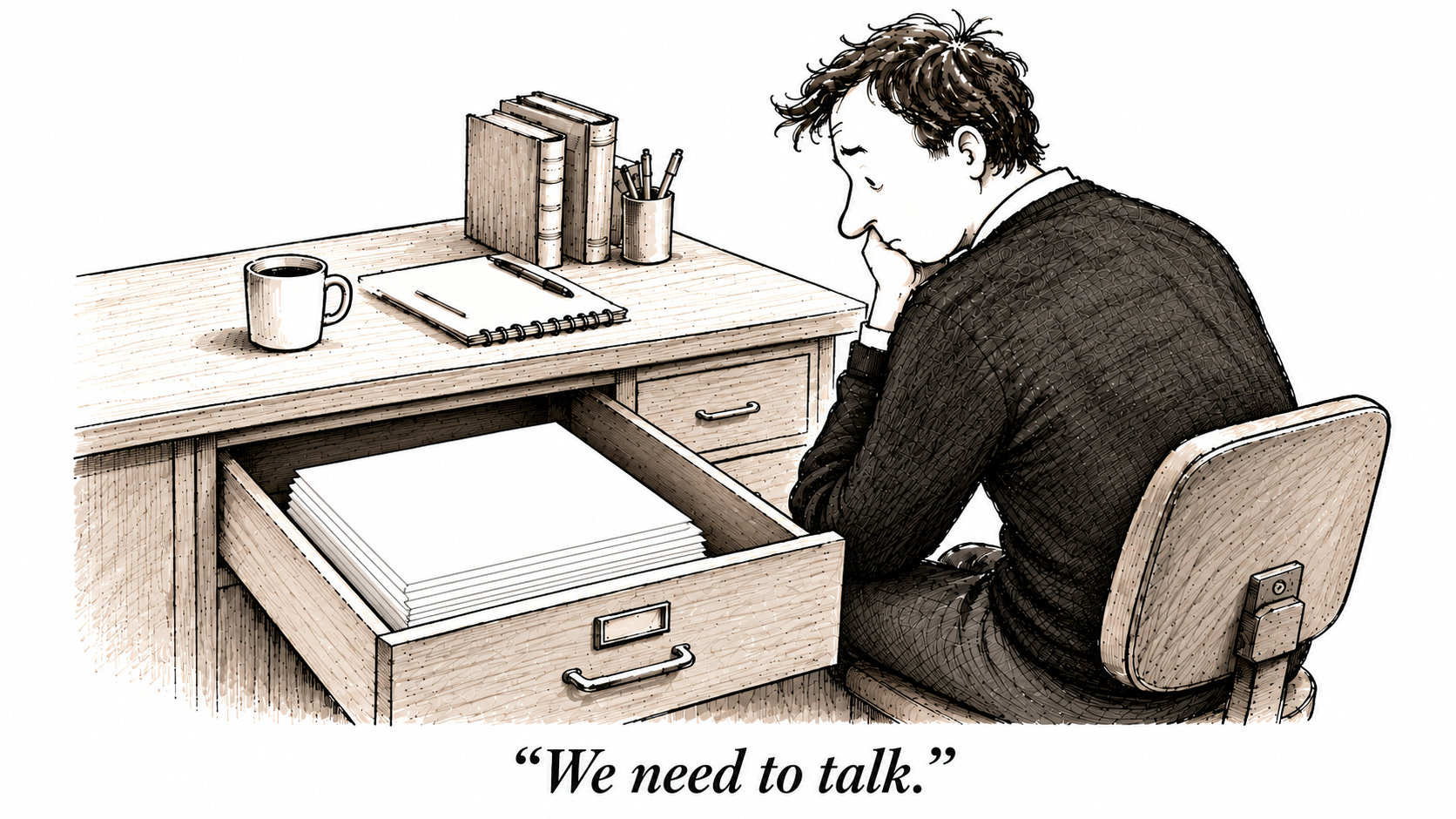

For many novelists, November means speed-writing. A UK startup sees a role for AI — not in writing, but in reviving the art of structural editing.
LONDON, UNITED KINGDOM, October 28, 2026 /EINPresswire.com/ — November has traditionally sent novelists racing toward a common goal: getting 50,000 words onto the page. But when the writing sprint ends, many face a challenge they are less equipped to tackle — understanding whether their story works and how to fix it.
Professional developmental editing can cost thousands of dollars — a price many novelists cannot pay. Yet as arguments rage over AI writing fiction, British startup Novel Maestro, launching today, is making a different case: use the technology to give authors the close structural reading they might otherwise never get.
“Everyone is arguing about whether a machine should write your novel,” founder Timothy Large said. “Personally, I don’t think it should. But far less attention goes to the promise of using AI to analyze thousands of details across a manuscript simultaneously, to help the writer see the precise shape and dynamics of their story — and fix what’s wrong. Think of it as an MRI for your manuscript.”
Long a staple of traditional publishing, developmental editing is a luxury many self-published authors cannot afford. It examines a novel’s structure, character arcs, pacing, and cause and effect: whether its characters drive events and its ending delivers what the opening promises.
The Editorial Freelancers Association’s 2026 rate chart puts fiction developmental editing at 3.0-3.5 cents per word: $2,400-$2,800 for an 80,000-word novel, before copyediting or proofreading.
Yet nearly a third of respondents to Written Word Media’s 2024 survey of more than 1,500 independent authors paid nothing for editing. These figures do not establish how many novels receive a structural edit. They do reveal a gulf between professional rates and authors’ spending.
“The structural edit is where a writer gets to ask the big questions about a book,” Large said. “Too many never get that chance. We built Novel Maestro to do the deep reading, show the evidence, inspire revision ideas. This isn’t about outsourcing your creativity to AI. It actually creates more work for the author, because the edit is on them.”
Novel Maestro emerges from beta testing with writers across dozens of genres in the United States, Britain, Canada, and Australia.
It studies manuscripts word by word and scene by scene, running 175 analytical passes and 14 whole-book diagnostics across 106 genres. It never writes, rewrites, or suggests prose.
Its starting point is the book the author intends to write. Writers can challenge its interpretation of a draft before it examines the gap between intention and delivery.
The aim is to identify causes as well as symptoms. A sagging middle may begin with a protagonist who has stopped making decisions. An unconvincing ending may trace back to an early promise that was never developed. The analysis also identifies what works — and what revision should protect.
“Criticism is only useful if the critic understands what the work is trying to do,” Large said. “The question is whether a choice serves this book, not whether it follows somebody else’s template.”
Findings are anchored in passages and scenes. Interactive charts reveal patterns in character agency, stakes, and subplots, allowing writers to inspect the evidence and challenge the reading.
U.S. author and beta tester Ashley Parker Owens wrote in a testimonial: “I wasn’t sure what to expect, but Novel Maestro rivals the feedback I get from a human, and in some ways surpasses it. An app will never be human, but a human will probably not be able to give you diagrams and charts covering various structural and character aspects across a whole novel.
“I actually hope a human editor wouldn’t tackle providing this amount of detail, because I would question their sanity. This is a task for computers.”
Writers can debate findings and discuss fixes through the app’s “Ask Maestro” chat feature. They can turn priorities into revision tasks pinned to the manuscript’s margins and export reports to use alongside other writing software. When they submit a revised manuscript, Novel Maestro reads the whole book again, examining whether problems have improved, disappeared, or moved elsewhere.
Novel Maestro staff do not read users’ drafts, and manuscripts are never used to train AI. Users can try the app for free. Gift certificates are available.
Timothy Large
Novel Maestro
Once There Was a Manuscript That Just Wanted To Be Read
Legal Disclaimer:
EIN Presswire provides this news content “as is” without warranty of any kind. We do not accept any responsibility or liability
for the accuracy, content, images, videos, licenses, completeness, legality, or reliability of the information contained in this
article. If you have any complaints or copyright issues related to this article, kindly contact the author above.

Media gallery