Persimmon Seed Weather Folklore Faces Scientific Scrutiny in Springfield
In Springfield, MO, a local tradition of predicting winter weather by the shape of persimmon seeds is being examined. Folklore suggests spoon shapes predict a snowy winter, knife shapes a cold one, and fork shapes a mild one. However, experts…

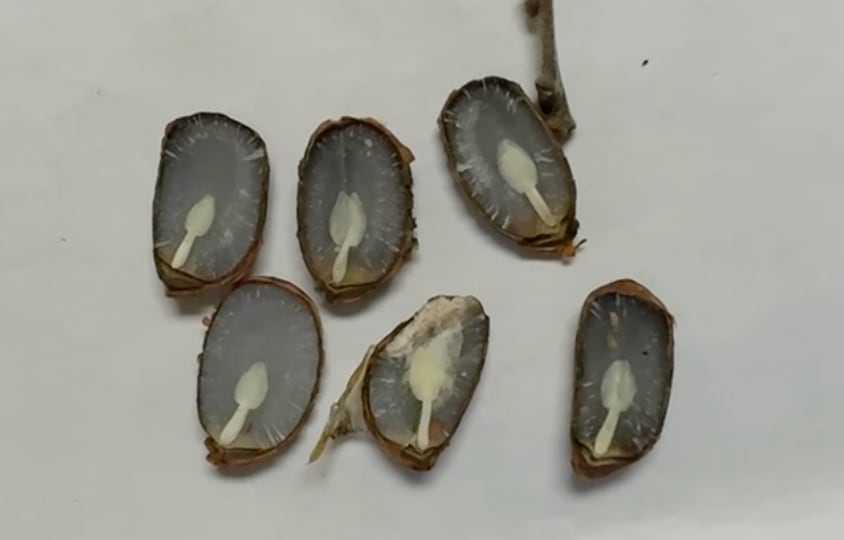
 Springfield, MO, November 19, 2026 — In Springfield, Missouri, a long-standing local tradition of forecasting winter weather by examining the shape of persimmon seeds is being met with scientific skepticism. This folklore, passed down through generations, offers a unique, nature-based method for predicting the severity of the coming cold season.
According to the tradition, the internal shape of the persimmon seed holds the key to the winter’s outlook. Folklore dictates that if the seed’s lining appears in a spoon shape, residents can expect a winter with significant snowfall. A knife shape, characterized by a sharp, pointed appearance, is said to foretell a harsh, cold winter. Conversely, a seed shaped like a fork suggests a milder winter ahead.
However, experts from prominent academic institutions have weighed in, casting doubt on the scientific validity of these traditional predictions. Representatives from Missouri State University and the MU Extension service have stated that while the tradition is an interesting part of local heritage, it is not a reliable method for forecasting weather patterns.
These experts explain that the shape of persimmon seeds is determined by biological processes unrelated to future meteorological conditions. Specifically, the shapes are a result of the embryo development within the seed. This developmental process occurs independently of, and is not influenced by, the atmospheric conditions that will characterize the upcoming winter season.
While the persimmon seed method may be popular as a whimsical predictor, the scientific consensus points to established meteorological tools and data as the reliable sources for winter weather forecasts. The local tradition serves as a cultural phenomenon rather than a scientific forecasting technique.
Story summarized from the original created by Garrett Hamilton on www.ky3.com, see more information here.
Media gallery